Antibiotics and Dental Care: When They Help and When They Don’t
 By Celia Burns on 24th November 2025
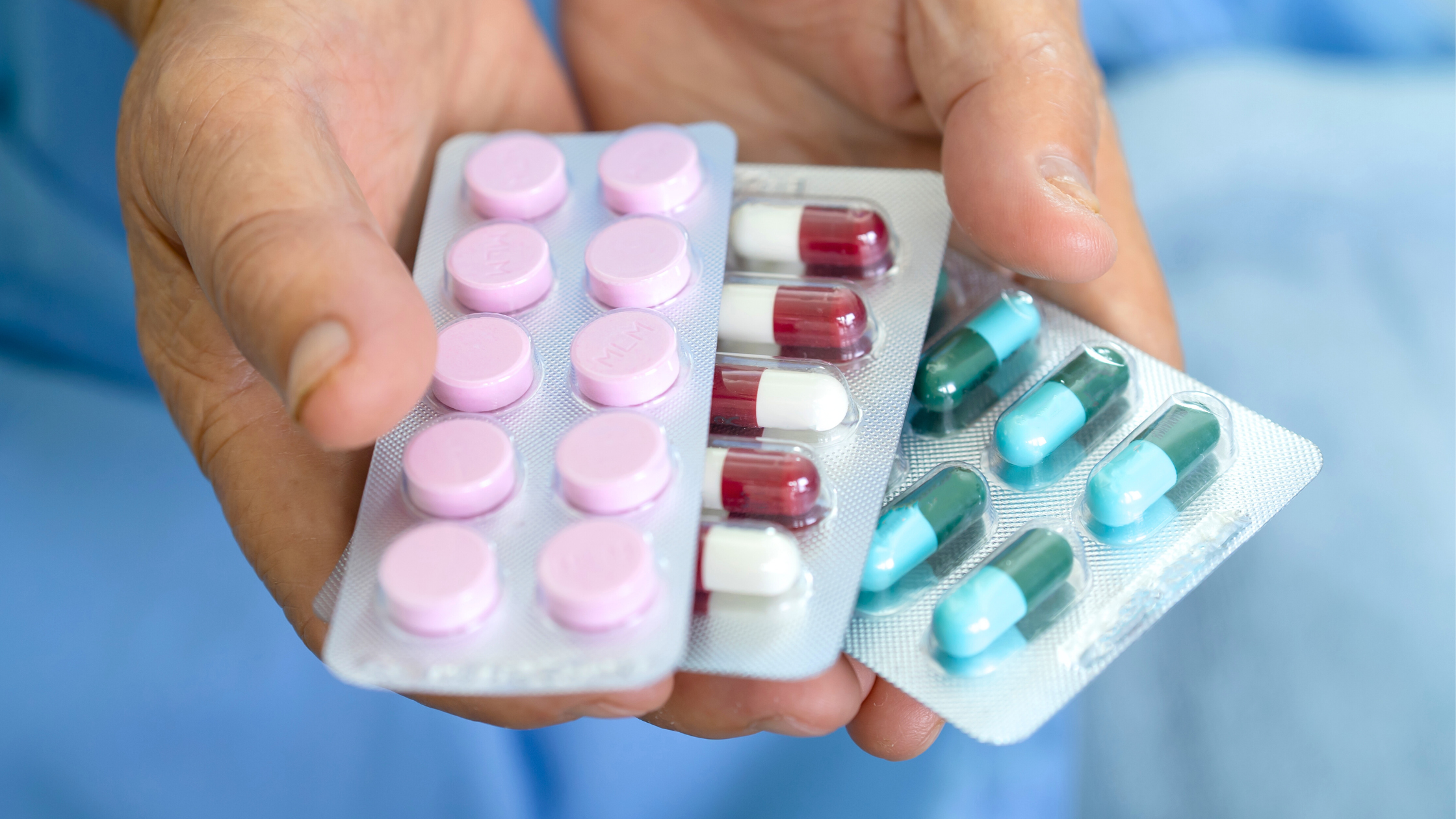
Antibiotics can be very important for certain dental infections, but they are not always needed.
Using antibiotics when they are not necessary can cause side effects and make future infections harder to treat. This guide explains when antibiotics help and when other treatments are more effective.
When Antibiotics Do Help
Antibiotics are useful when a dental infection is spreading or has the potential to spread. They may be recommended when:
✔️ There is a serious infection
- You have fever, chills, or feel generally unwell
- Your infection has swelling that is spreading, especially in your face toward your cheek, jaw, neck, or eye
- There are signs the infection may reach the bloodstream or airway
✔️ You cannot receive dental treatment right away
- If a tooth needs a root canal or removal but you must wait, for example if the infection means that the anaesthetic may not be effective. Antibiotics may help but will be a temporary measure. Where possible treatment should always be provided in preference to antibiotics.
✔️ You have a medical condition that increases your risk of complications
Some people need preventive antibiotics for certain medical reasons, such as:
- A history of infective endocarditis
- Certain heart valve conditions or replacements
- Some joint replacement situations when recommended by your surgeon.
- A weakened immune system
Your dentist or doctor will tell you if this applies to you.
When Antibiotics Do Not Help
Antibiotics do not fix the source of most dental problems. They will not help when:
❌ The problem is tooth pain without infection
Examples include cavities, cracked teeth, sensitivity or gum irritation.
Pain alone is not an infection, and antibiotics will not make it go away.
❌ The infection is in one area and can be treated directly
Most dental infections are best treated by dental procedures such as:
- Draining an abscess
- Root canal treatment
- Cleaning the teeth near the gums
- Removing a severely damaged tooth
These treatments remove the cause of the infection. Antibiotics alone cannot do this.
❌ There is swelling in one area and you have no fever
Swelling that stays in one place usually needs dental treatment, not antibiotics.
Why Not Use Antibiotics Just in Case?
Using antibiotics when they are not needed can:
- Cause stomach upset, rashes, or other side effects
- Interfere with medications
- Lead to antibiotic resistance, which makes future infections harder to treat
- Delay proper dental treatment or make diagnosis with a later dentist harder.
What You Can Do to Improve Recovery
- Take antibiotics exactly as prescribed if they are prescribed
- Do not save or share leftover antibiotics
- Follow your dentist’s instructions for how to manage your pain or other symptoms
- Seek urgent care if you have increasing swelling, difficulty breathing or swallowing, fever, or rapidly worsening pain